If your skin becomes red, itchy, or uncomfortable after hair removal, choosing the right wax can make a noticeable difference. For many people with sensitive skin, Lycon hot wax is the more comfortable option for delicate areas because it works at a relatively low temperature and is designed to grip short hairs without relying on a fabric strip.
However, traditional strip waxing is not automatically harsh or unsuitable. It can be an efficient choice for larger areas such as the legs, arms and back when the skin is healthy, and the treatment is performed correctly.
The best choice depends on the area being waxed, your current skin condition, the products used and the therapist’s technique.
Which Option Usually Suits Sensitive Skin Best?
Lycon hot wax is often the better choice for small or particularly sensitive areas, including the bikini line, underarms and parts of the face. The wax sets around the hair and is removed without a paper or fabric strip, which may reduce unnecessary pulling on the surface of the skin.
Lycon also recommends using its hot waxes alongside dedicated pre-wax and post-wax products. Its hot wax is formulated to work at a low temperature and can remove hairs as short as approximately 1 mm.
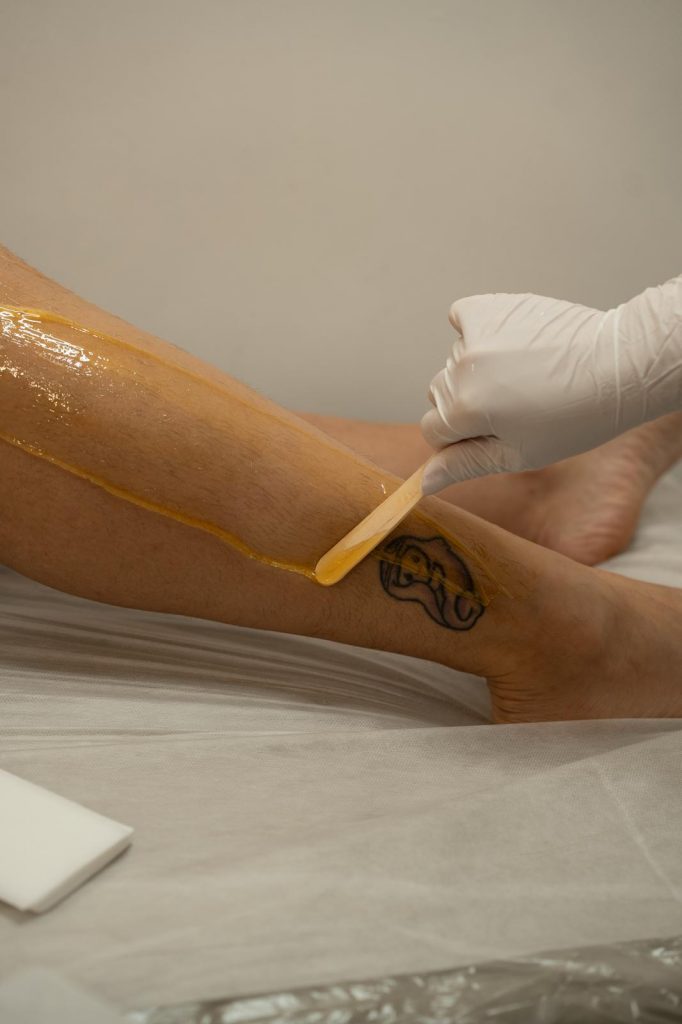
Traditional strip wax is generally more practical for larger areas. It is spread thinly over the skin and removed with a strip, allowing a therapist to treat areas such as the legs more quickly.
In simple terms:
| Treatment Area or Concern | Option Often Preferred |
| Bikini or Hollywood waxing | Lycon hot wax |
| Underarms | Lycon hot wax |
| Small facial areas | Hot wax, depending on the skin |
| Full or half legs | Strip wax |
| Arms, back or chest | Strip wax |
| Active irritation, sunburn or broken skin | Postpone waxing |
No waxing system can guarantee that sensitive skin will not react. Product ingredients, skin preparation, technique and aftercare all affect the result.
Lycon And Traditional Waxing Are Not Exact Opposites
One common misunderstanding is that Lycon waxing is a completely different hair-removal method from traditional waxing.
Lycon is a professional waxing brand and treatment system. It produces both stripless hot wax and strip wax, as well as cleansers, pre-wax oils and aftercare products. A salon can therefore use Lycon hot wax on delicate areas and Lycon strip wax on larger areas during the same appointment.
The more useful comparison is usually:
- Lycon hot wax versus conventional strip wax
- A complete waxing system versus wax used without dedicated skin preparation
- A treatment tailored to the area versus one wax being used everywhere
The wax brand matters, but it is only one part of the experience. The therapist must also select the right wax, temperature and removal technique for the person’s skin and hair.
How Lycon Hot Wax Works
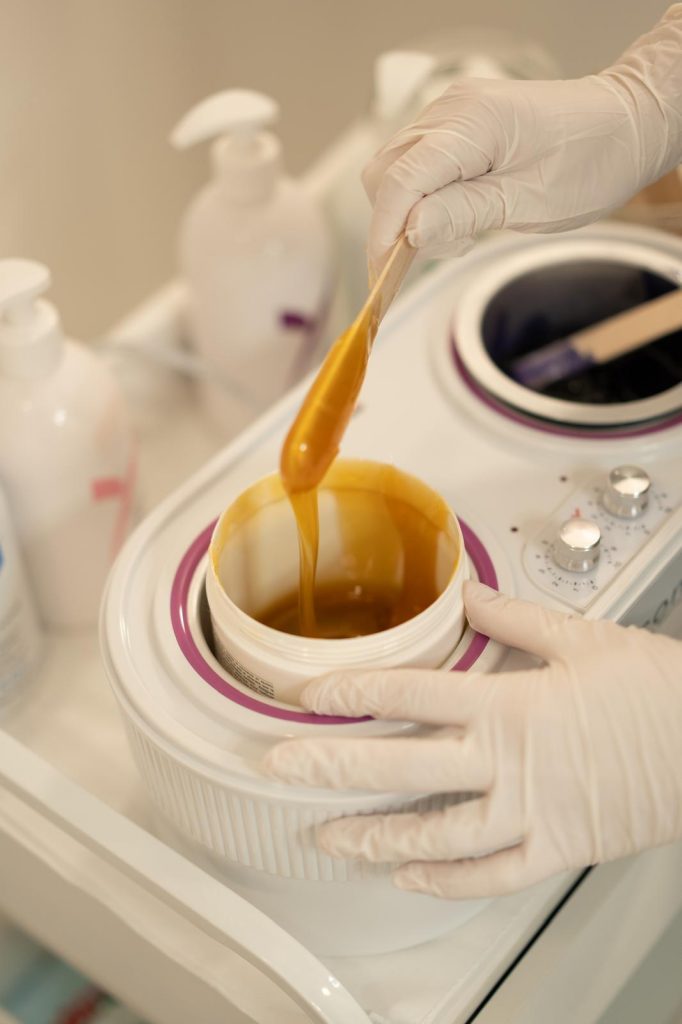
Hot wax is applied in a thicker layer and allowed to set around the hairs. Once it has become firm but flexible, the therapist removes the wax itself without using a separate strip.
This method allows the therapist to work in controlled sections, which is useful around curved, delicate or intimate areas.
How Traditional Strip Wax Works
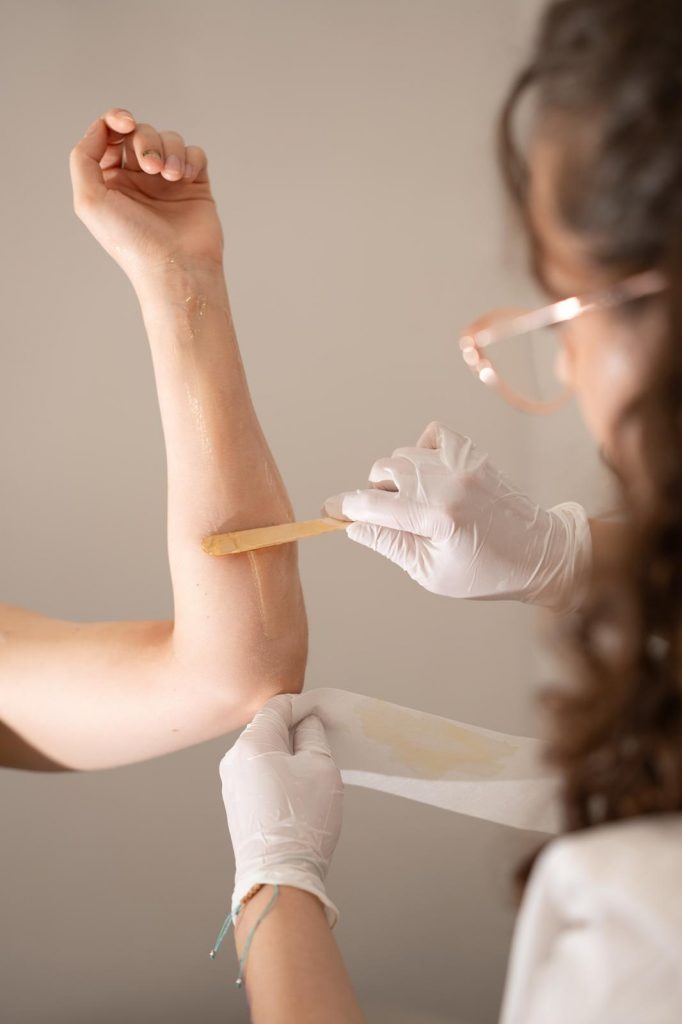
Strip wax is applied in a thin layer. A paper or fabric strip is pressed over it and removed quickly, taking the wax and hair with it.
Because it covers a larger surface area at once, strip wax is often well suited to legs, arms, backs and other broad areas of the body.
Why Lycon Hot Wax May Feel Gentler
It Works At A Lower Temperature
Excessive heat can make reactive skin feel more uncomfortable. Lycon describes its hot wax as having a low working temperature, which can help create a more controlled and comfortable treatment when it is prepared and applied correctly.
Low temperature does not mean cold, and the wax must still be handled by someone who understands its correct consistency. Temperature control remains important with every wax system.
It Is Designed To Grip The Hair
Lycon hot wax is designed to set around the hair rather than relying solely on adhesion to the skin. At getBEAUTY, pre-wax oil is used to create a light barrier before Lycon hot wax is applied to sensitive areas.
This can be particularly helpful when removing coarse hairs from areas where the surrounding skin is delicate.
It Can Remove Short Hair
Lycon states that its hot wax can remove hairs as short as approximately 1 mm. This may reduce the need to grow the hair for as long between appointments.
Individual salons may still recommend allowing more growth. Hair can grow in different directions and stages, so slightly longer growth may produce a more consistent result across the full treatment area. Follow the preparation instructions given by your therapist rather than trimming the hair to an exact measurement yourself.
The Treatment Can Be Adapted By Area
Sensitive skin does not necessarily require the same wax everywhere.
A therapist may use hot wax for the bikini area and underarms, then change to strip wax for the legs. This avoids using a slower, more detailed method where it is not needed while still giving delicate areas additional care.
When Traditional Strip Wax May Be The Better Choice
Strip wax can be a sensible option when the area is large and the skin is in good condition.
For example, using hot wax across two full legs would usually take longer and require many more individual applications. Strip wax allows the therapist to remove hair efficiently while maintaining a consistent treatment.
Traditional strip wax may be preferable when:
- The area being treated is broad and relatively flat
- The skin is not currently inflamed or sensitised
- The hair is fine or spread across a large area
- The therapist can keep the skin properly supported during removal
- A suitable pre-wax and aftercare routine is used
The quality of the strip wax also matters. A professional strip wax used with good technique should not be treated as an inferior option simply because it is more traditional.
Sensitive Skin And Sensitised Skin Are Different
Sensitive skin generally means skin that reacts easily to products, heat, friction or environmental changes.
Sensitised skin is temporarily more vulnerable. This may happen because of sun exposure, over-exfoliation, active skincare ingredients, an allergic reaction, a skin treatment or an existing flare-up.
Even a wax designed for sensitive skin should not be applied to skin that is:
- Sunburnt
- Broken, grazed or bleeding
- Experiencing an active rash
- Infected or unusually swollen
- Severely irritated after exfoliation
- Experiencing an eczema, psoriasis or dermatitis flare
The American Academy of Dermatology advises against waxing sunburnt or very sensitive skin. It also recommends stopping over-the-counter retinol and prescription retinoids two to five days before facial waxing because these products may increase the risk of skin being removed with the hair.
Tell your therapist about any prescription skincare, acne medication, recent peels or other treatments before your appointment. Anyone currently taking or recently finishing isotretinoin should obtain appropriate medical advice before waxing.
Can Natural Wax Ingredients Still Cause A Reaction?
Yes. A product containing natural oils, plant extracts or beeswax is not automatically allergy-free.
Sensitive skin can react to natural fragrances, essential oils, resins and preservatives as well as synthetic ingredients. Someone who has previously reacted to a waxing product should tell their therapist exactly what happened and, where possible, identify the product involved.
A careful consultation should consider:
- Known allergies
- Previous reactions to wax
- Current skincare products
- Prescription medication
- Skin conditions
- Recent sun exposure or skin treatments
Depending on the circumstances, a therapist may recommend changing the product, testing a small area or postponing the appointment. A professional should also be willing to decline treatment when the skin is not suitable for waxing.
getBEAUTY’s approach is based on honest recommendations, personalised care and refusing treatments that are not appropriate for the client.
How To Prepare Sensitive Skin For Waxing
Good preparation can be just as important as the wax itself.
Share Relevant Skin Information
Tell your therapist if you use retinol, prescription retinoids, exfoliating acids, acne treatments or medication that affects the skin.
You should also mention previous burns, skin lifting, prolonged redness or allergic reactions following hair removal.
Arrive With Clean, Dry Skin
Avoid applying body oils, heavy creams or lotions to the treatment area on the day of the appointment unless your therapist instructs you otherwise.
Professional pre-wax products are selected to work with the wax being used. Applying another product beforehand may interfere with the wax’s grip or make it harder to assess the skin.
Avoid Last-Minute Exfoliation
Gentle exfoliation between waxing appointments may help manage trapped hairs, but aggressive scrubbing immediately before waxing can leave the skin more vulnerable.
Avoid trying a new scrub, acid or exfoliating treatment shortly before your appointment. Allow the skin to feel calm and normal before it is waxed.
Do Not Wax Over Irritation
Do not try to “wax around” an active reaction, sunburn or broken patch of skin. Postponing the treatment is safer than risking additional irritation.
Aftercare For Skin That Reacts Easily
Temporary warmth, tenderness or mild redness can occur after any wax, particularly around areas with coarse hair.
To reduce avoidable irritation:
- Keep the area cool and clean
- Wear loose clothing where possible
- Avoid rubbing, scratching or picking the skin
- Avoid hot baths, saunas, tanning and intense heat for at least 24 hours
- Use only gentle aftercare recommended for freshly waxed skin
- Wait until the skin has settled before using scrubs or active skincare
getBEAUTY uses Lycon post-wax products to remove residue, calm the skin and provide hydration after treatment. Its current waxing guidance also recommends avoiding hot showers, saunas and tanning for at least 24 hours.
Waxing can still contribute to ingrown hairs. The NHS advises against scratching, picking or squeezing them, as this can damage the skin and lead to infection. Seek medical advice if an affected area becomes very painful, hot, swollen or produces pus.
Redness or swelling that persists for more than two days should be assessed by an appropriate healthcare professional.
Choosing The Right Wax For Each Area
The following guide can help you discuss your options with a therapist.
Bikini, Brazilian And Hollywood Waxing
Lycon hot wax is often preferred because these areas combine delicate skin with strong, coarse hair. Working in smaller sections allows greater control and avoids using a strip across the most sensitive areas.
Underarm Waxing
Hot wax can work well because underarm hair may grow in several directions. The therapist can adapt each application to the growth pattern rather than treating the whole area in one pull.
Facial Waxing
The answer depends on the precise area and your skincare routine. Hot wax may be suitable for small areas, but waxing may need to be postponed if you use retinoids or your skin is peeling, inflamed or recently treated.
Leg And Arm Waxing
Strip wax is usually the more efficient option. The skin on these areas may be less delicate than the bikini line or underarms, although anyone with reactive skin should still discuss their history with the therapist.
Back And Chest Waxing
Strip wax can treat broad areas efficiently, while hot wax may be used selectively where the skin is more sensitive or the hair is particularly coarse.
Is Lycon Waxing Always The Best Choice?
Not necessarily.
Lycon hot wax has several characteristics that can suit sensitive areas, but a premium wax cannot compensate for poor technique, unsuitable treatment timing or an undisclosed skin condition.
A carefully performed strip wax may be more comfortable than poorly performed hot waxing. Equally, someone with active irritation may not be suitable for either method on that day.
The best professional waxing appointment should include:
- A brief consultation
- An assessment of the treatment area
- The correct wax for the area
- Controlled product temperature
- Proper support of the skin
- Hygienic, single-use applicators
- Clear aftercare advice
The decision should be based on the person’s skin and hair, not simply on which product sounds more luxurious.
Frequently Asked Questions About Lycon Waxing
Is Lycon Waxing Painless?
No wax can be guaranteed to be painless because the hair is still being removed from the root. Lycon hot wax may feel more comfortable on delicate areas, but the sensation varies according to the treatment area, hair strength, skin sensitivity and individual pain threshold.
Can Lycon Wax Cause Redness?
Yes. Mild, temporary redness can happen after any form of waxing. Lycon may help reduce unnecessary irritation when used correctly, but it cannot prevent every reaction.
Is Lycon Hot Wax Better For A Hollywood Wax?
It is often preferred for Hollywood and Brazilian waxing because it can remove coarse hair in controlled sections without a separate strip. The experience still depends heavily on the therapist’s preparation and technique.
How Long Does Hair Need To Be For Lycon Waxing?
Lycon states that its hot wax can remove hair as short as approximately 1 mm. Your therapist may recommend allowing more growth so that hairs at different stages can be removed evenly.
Can I Have Lycon Waxing If I Have Eczema?
It may be possible to wax healthy skin when eczema is well controlled, but wax should not be applied over an active, broken or inflamed patch. Ask your healthcare professional for advice if you are uncertain.
What If I Regularly Get Ingrown Hairs?
Tell your therapist before treatment. They can review your current hair-removal routine and aftercare. Waxing can also cause ingrown hairs, so changing wax alone may not solve the problem.
For people seeking a longer-term alternative, professionally assessed laser hair removal may be worth discussing, although suitability depends on the skin, hair and medical history.
Choose The Method That Suits Your Skin
Lycon hot wax is often a strong choice for sensitive areas because it combines a low working temperature, stripless removal and professional pre-wax preparation. Traditional strip wax remains useful for larger areas where speed and even coverage are important.
Rather than asking whether one wax is universally better, ask which method is best for your skin, hair and treatment area on the day.
getBEAUTY uses Lycon hot wax for sensitive areas and strip wax for larger body areas, supported by more than 13 years of professional waxing experience.
For personalised advice, explore Lycon body waxing in Cambridge or call 07758144991 to discuss the area you would like treated.