Advanced Acne Scar Treatment in Cambridge
Acne may clear with time, but the marks it leaves behind can remain long after breakouts have healed. Changes in skin texture, lingering dark marks, or uneven tone can affect how the skin looks and feels, particularly when scars form during the healing process.
At Get Beauty, our experienced practitioners provide acne scar treatment in Cambridge, helping clients understand their skin and explore cosmetic solutions that support smoother texture and clearer tone. Every skin journey is different, which is why consultation focuses on identifying the type of acne marks present before recommending suitable approaches.
Understanding Acne and Why Marks Remain
Acne develops when pores become blocked by oil, dead skin cells, and bacteria. This blockage can lead to inflammation within the skin, which is why breakouts often appear red, swollen, or painful.
As the skin heals, the body begins repairing the affected area. In some cases, this healing process can leave visible marks or scars.
Common causes include:
- excess oil production
- clogged pores
- bacteria within the skin
- inflammation during breakouts
Not every breakout leads to scarring. However, deeper or more inflamed acne can affect collagen within the skin, which increases the likelihood of lasting marks.
Understanding the difference between acne marks and acne scars is important when considering cosmetic treatments.
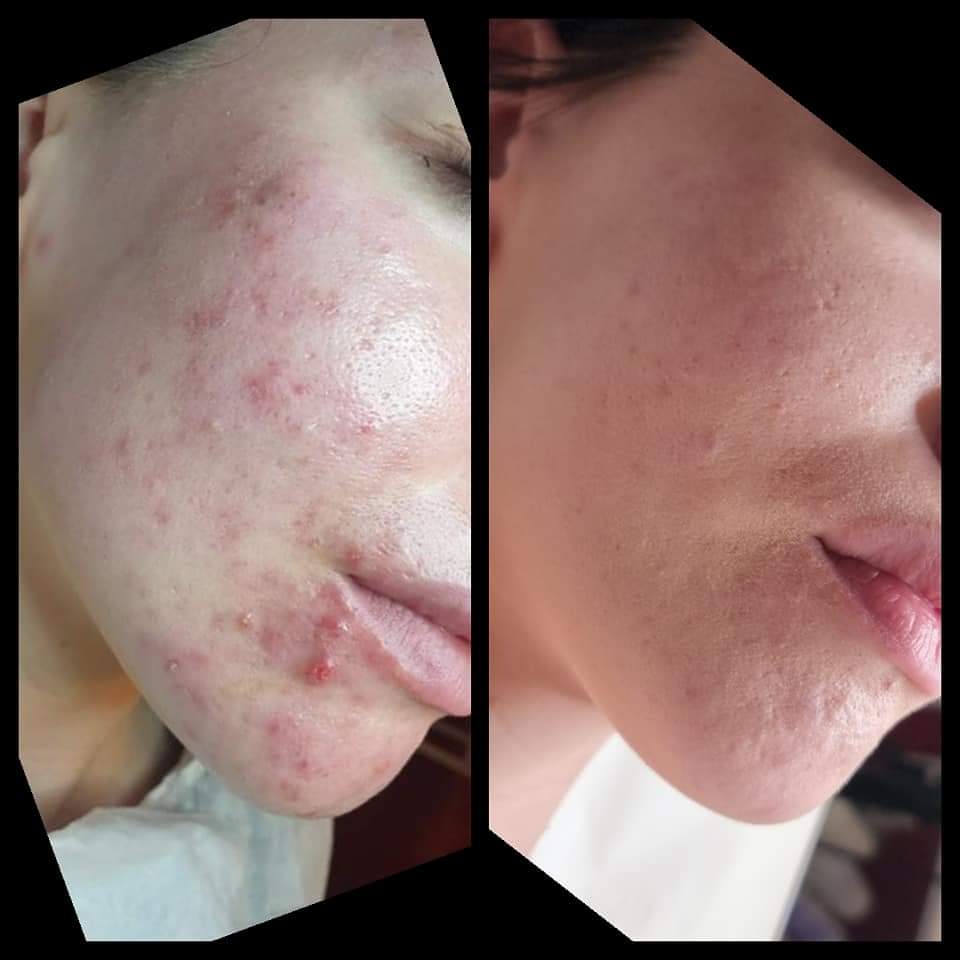
Different Types of Acne Marks and Scars
Acne can leave several different types of marks on the skin. Each type develops differently and may respond to different cosmetic approaches.
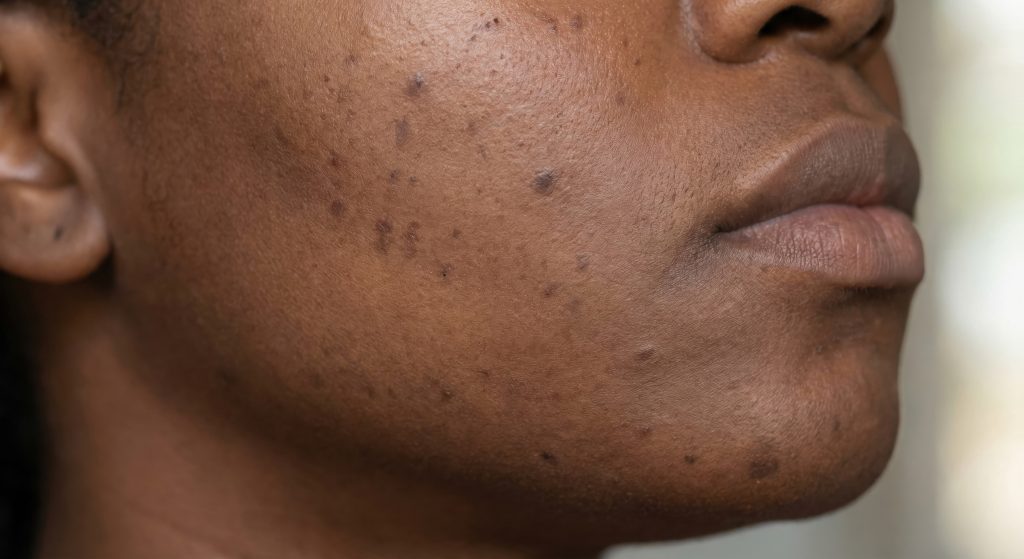
Post-Inflammatory Hyperpigmentation
These marks appear as darker patches left after acne heals.
Characteristics include:
- Brown or darker spots on the skin
- Flat marks rather than depressions
- Uneven skin tone
This type of mark is caused by excess melanin produced during the healing process.
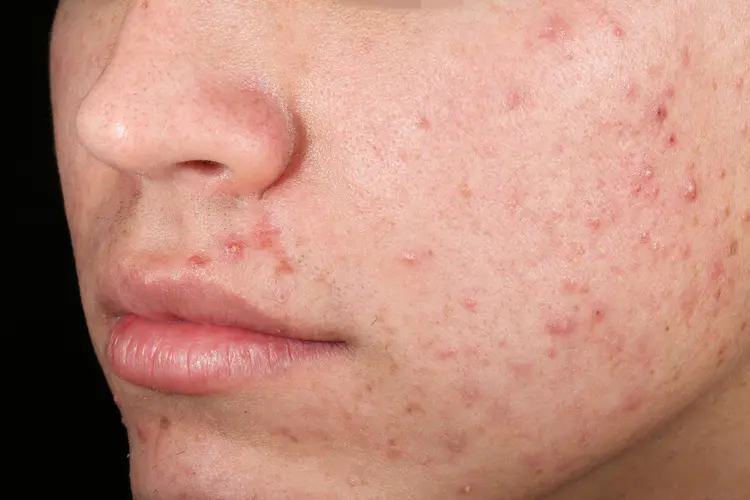
Post-Inflammatory Erythema
Some people experience red or pink marks once acne has cleared.
Signs often include:
- Visible redness
- Lingering red patches
- Marks that fade slowly over time
These marks are linked to small blood vessel changes within the skin.
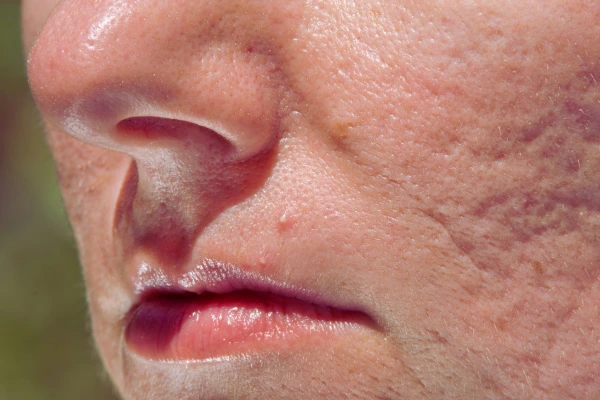
Rolling Scars
Rolling scars create a slightly uneven or wavy appearance on the skin.
Typical features include:
- Shallow depressions
- Soft edges
- Uneven texture
These scars develop when collagen structures beneath the skin are disrupted.
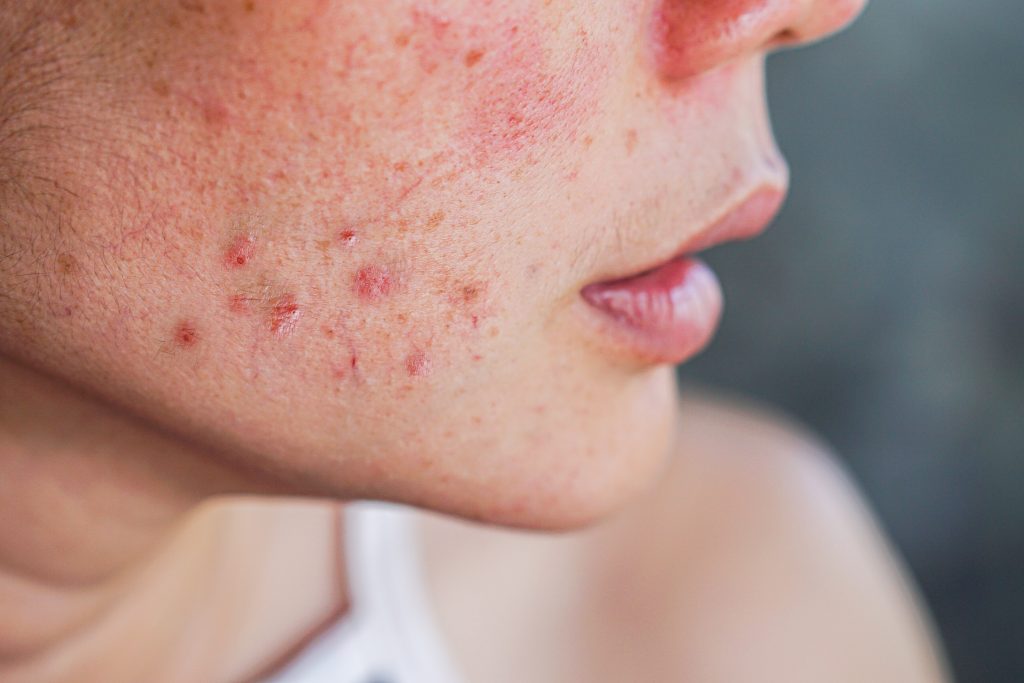
Ice Pick Scars
Ice pick scars are narrow but deep scars that extend further into the skin.
These marks often appear as:
- Small puncture-like scars
- Deeper skin damage
- Sharper edges than other scars
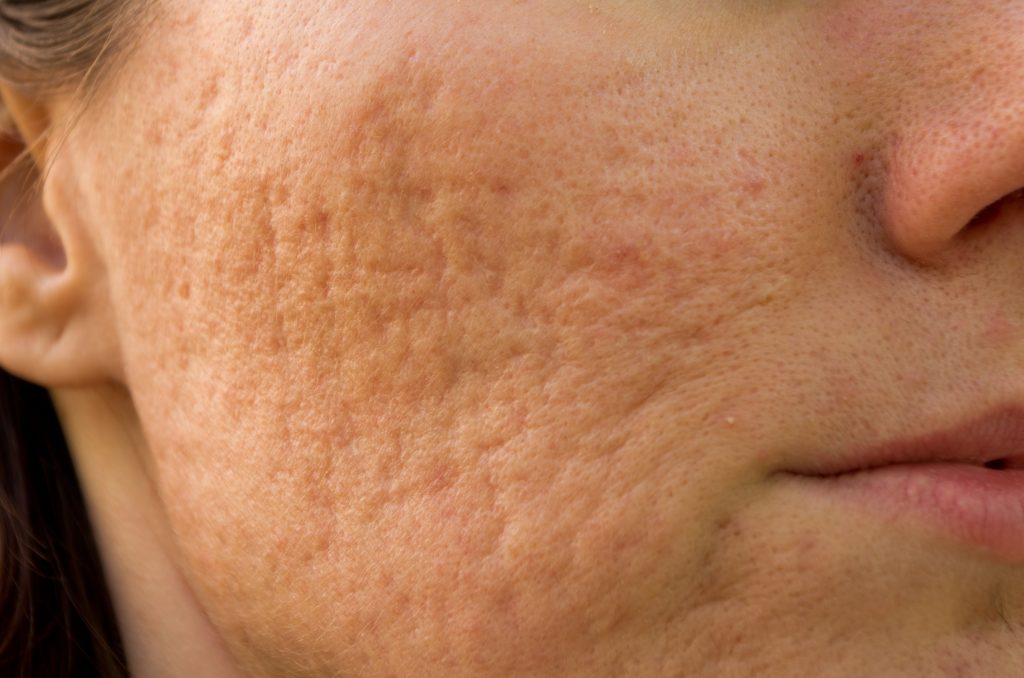
Boxcar Scars
Boxcar scars form wider depressions with defined edges.
They often appear as:
- Round or oval indentations
- Visible textural changes
- Deeper marks on the cheeks or temples beneath the skin are disrupted.
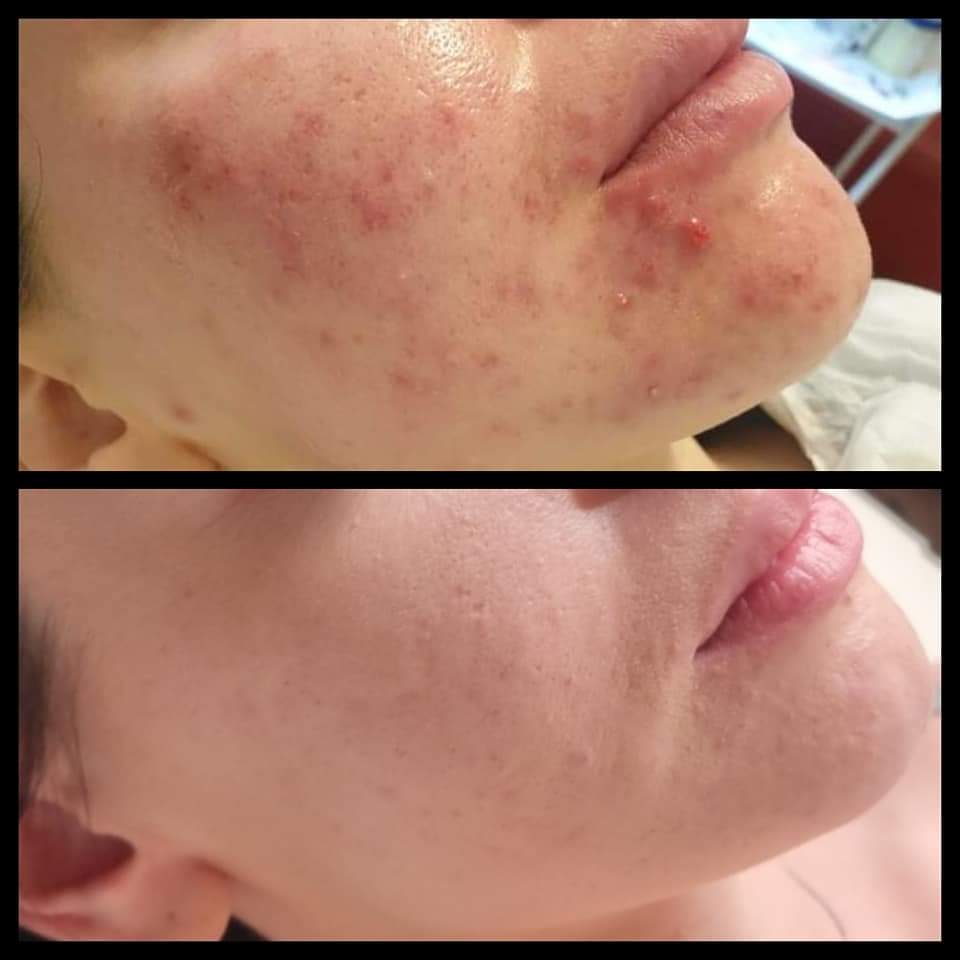
Why Acne Scars Develop
Several factors influence whether acne leaves lasting marks.
Scars may develop due to:
- Severe inflammatory acne
- Picking or squeezing spots
- Delayed acne treatment
- Genetic factors
- Damage to collagen during healing
The deeper the inflammation within the skin, the greater the likelihood that marks may remain.
Areas of the Face Commonly Affected
Certain areas of the face are more prone to breakouts and, therefore, more likely to develop marks.
Common areas include:
- Cheeks
- Forehead
- Jawline
- Chin
- Temples
These areas contain higher oil production and are more frequently affected by acne.
Treatments That May Help Improve Acne Marks
Different cosmetic treatments work in different ways depending on the type of acne marks present.
Laser Skin Treatments
Laser technology can help improve uneven tone and stimulate collagen activity within the skin.
This approach may support:
- Improvement in pigmentation marks
- Smoother skin texture
- Refinement of shallow scars
Laser energy interacts with the skin’s layers, encouraging renewal while supporting a more balanced complexion.
Chemical Peels
Chemical Peels can help address pigmentation marks and uneven skin tone.
A controlled exfoliating solution removes damaged surface skin cells, encouraging fresher and clearer skin to develop.
Microneedling
Microneedling is commonly used to improve the texture caused by certain acne scars.
Tiny micro-needles create controlled stimulation in the skin, encouraging natural collagen production. Over time, this process can help soften the appearance of shallow depressions.
Professional Facial Treatments
Regular Facial Treatments support overall skin health and can complement other cosmetic approaches.
These treatments help maintain balanced skin while encouraging clarity and hydration.
When Treatment May Not Be Suitable
In some situations, cosmetic treatments may need to be postponed.
Examples include:
- Active or severe acne breakouts
- Certain medications affecting skin sensitivity
- Skin infections or irritation
- Extremely sensitive skin conditions
- Pregnancy, depending on treatment type
A professional consultation helps determine whether treatment is appropriate for your skin.
Our Appointment Process
Improving acne scars usually involves a gradual process rather than a single session.
Step 1: Skin Consultation
During consultation, the practitioner assesses:
- Skin type
- Scar type
- Overall skin condition
You can arrange an assessment through our Free Consultation page.
Step 2: Personalised Treatment Plan
A tailored approach is created based on:
- Depth of scars
- Skin tone and sensitivity
- Treatment goals
Step 3: Treatment Sessions
Multiple sessions are often recommended so the skin can gradually respond to treatment.
Step 4: Skin Renewal and Recovery
After treatment, the skin continues regenerating as collagen activity increases, which helps improve texture and tone over time.
What Results Can Be Expected
Results often develop gradually as the skin renews itself.
Many clients begin to notice:
- Smoother skin texture
- Clearer skin tone
- Reduction in visible marks
- Brighter complexion
The number of sessions required varies depending on the type and severity of scars present.
Advice for Preventing Future Acne Marks
Maintaining healthy skincare habits can reduce the likelihood of new marks forming.
Helpful steps include:
- Avoiding picking or squeezing spots
- Protecting the skin from sun exposure
- Treating acne early
- Maintaining a consistent skincare routine
- Scheduling professional skin treatments when needed
Supporting the skin’s natural balance can significantly reduce the risk of further scarring.
Why Clients Choose Our Clinic for Acne Care
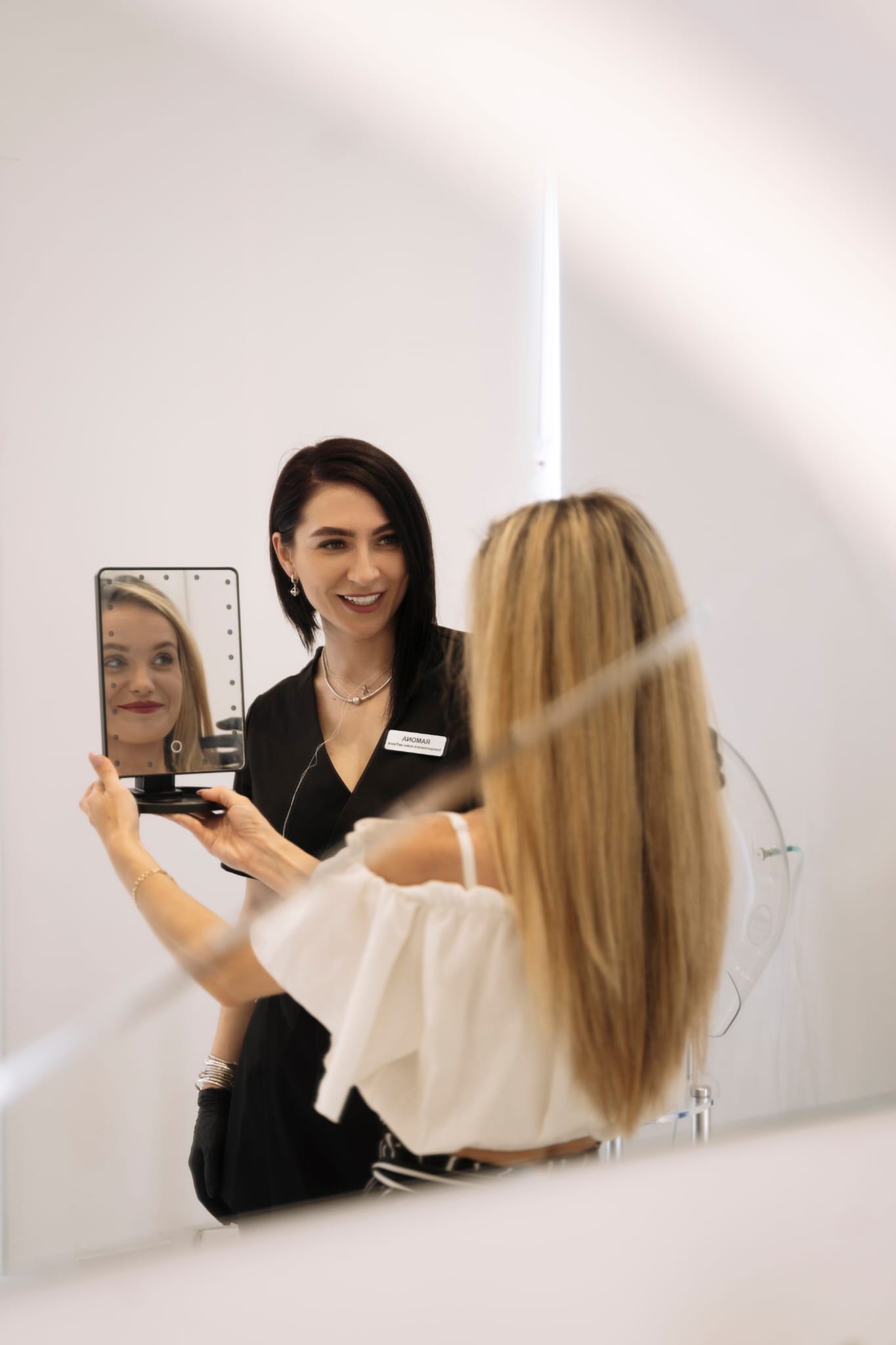
Clients often choose Get Beauty because we focus on personalised skin care supported by professional cosmetic technology.
Our clinic offers:
- Qualified aesthetic practitioners
- Advanced cosmetic treatment equipment
- Personalised skin consultations
- Tailored treatment planning
- A welcoming and professional clinic environment
Working with trained technicians and professional equipment, we follow strict safety standards to ensure we deliver the most efficient acne treatment in Cambridge.
You can learn more about our approach on the About Our Clinic page.
Frequently Asked Questions
Acne scars develop when inflammation damages deeper layers of the skin and disrupts collagen during the healing process.
Some marks may gradually fade over time, particularly pigmentation marks. Deeper scars often require cosmetic treatment to improve their appearance.
No. Acne marks usually affect skin colour, while scars affect the skin’s texture and structure.
The most suitable treatment depends on the type of scar, the skin type, and how deep the scars are.
Most treatment plans involve multiple sessions spaced several weeks apart to allow the skin to regenerate.
Suitability depends on individual skin characteristics, which is why consultation is important before starting treatment.
Treatments aim to improve the appearance of scars and skin texture rather than completely remove them.
Start Your Journey Toward Clearer Skin
Living with acne marks and lingering scars can be frustrating, especially when they remain visible long after breakouts have healed. Different types of acne can leave different marks on the skin, which is why the right approach often depends on understanding the underlying cause and type of scarring.
To address these concerns, we provide a full range of acne treatments in Cambridge, designed to support different types of acne scars and marks while encouraging smoother skin texture and clearer tone.
If you would like to explore suitable options for your skin, you can arrange a consultation to discuss your concerns and personalised treatment possibilities.