Dull & Dehydrated Skin In Cambridge: Personalised Support
Dehydrated skin in Cambridge is one of the concerns we assess through personalised facial consultations at getBEAUTY. If your complexion feels tight, appears dull or no longer responds well to your usual skincare routine, we can assess its visible condition and recommend suitable non-medical facial care without over-treating your skin.
Why Clients Choose Our Personalised Skin Approach
- Over 13 years of professional beauty industry experience
- Friendly consultations focused on your current skin concerns
- Personalised recommendations rather than a one-size-fits-all treatment
- Honest advice when a treatment is not suitable for your skin
- Professional facial treatments for dry, dull, congested and sensitive-looking skin
- Modern, hygienic and private treatment rooms
- Clear aftercare guidance and ongoing support
- A convenient Cambridge location with nearby parking and public transport links
Our approach is based on listening carefully, protecting client comfort and recommending only treatments we believe are appropriate.
Call: 07758144991
Email: ramonaristeauk@gmail.com
What Is Dehydrated & Dull Skin?
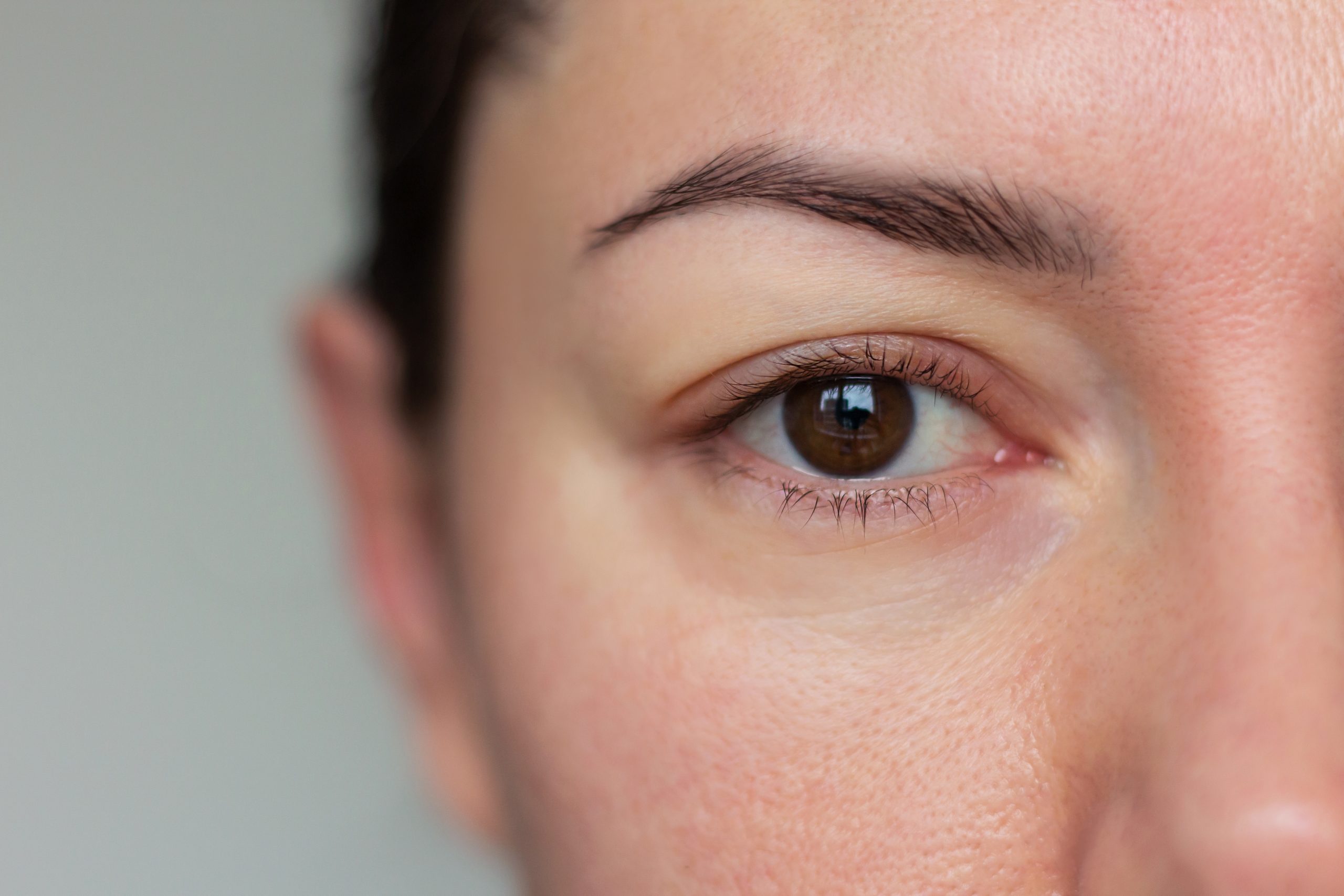
Dehydrated skin is a commonly used skincare term for skin that is lacking moisture in its outer layers. It is usually considered a temporary skin condition rather than a permanent skin type.
Dry skin and dehydrated skin are often discussed as separate concerns. Dry skin is commonly associated with insufficient natural oils, while dehydrated skin is associated with insufficient water. In practice, the signs can overlap, and neither term should be used to diagnose a medical skin condition without an appropriate healthcare assessment.
According to DermNet’s guidance on dry skin, moisture loss from the outer layer of the skin can contribute to roughness, cracking and disruption of the skin barrier. The American Academy of Dermatology also notes that moisture loss may make fine lines, dryness and rough texture more noticeable.
Dull skin is not a medical diagnosis. It describes a complexion that appears less bright, smooth or even than usual. It may accompany dehydration, surface dryness, a build-up of dead skin cells, irritation, tiredness or an unsuitable skincare routine.
Common Signs Of Dehydration
What does dehydrated skin look like? The visible and physical signs vary, but people commonly report:
- Tightness, particularly after cleansing
- A rough or less supple texture
- A dull or tired-looking complexion
- Fine surface lines that appear more noticeable
- Light flaking or dry patches
- Makeup settling unevenly
- Increased sensitivity to products
- Skin that feels uncomfortable despite appearing oily in some areas
These signs do not confirm that your skin is dehydrated. Similar symptoms may occur with dry skin, contact dermatitis, eczema, psoriasis, rosacea or reactions to skincare products.
Common Causes & Triggers
Several environmental, lifestyle and skincare factors can contribute to surface moisture loss or make dullness more noticeable.
Common triggers may include:
- Cold weather and low humidity
- Indoor heating and air conditioning
- Long, hot showers or baths
- Harsh, fragranced or strongly foaming cleansers
- Washing the face too frequently
- Excessive physical exfoliation
- Overusing acids, retinoids or other active products
- Skipping moisturiser after cleansing
- Recent sun exposure
- Changes in age, medication or general health
Everyday habits such as using harsh cleansers and taking prolonged hot showers can increase moisture loss from the skin. Cold, dry environments can also contribute to dryness and irritation.
When To Seek Medical Advice
A beauty consultation can help identify visible cosmetic concerns, but it cannot diagnose eczema, dermatitis, allergies or other medical conditions.
Speak to a GP, pharmacist or dermatologist if your skin:
- Is persistently red, painful or swollen
- Is severely or continuously itchy
- Has open cracks, bleeding or weeping areas
- Develops a widespread or unexplained rash
- Shows possible signs of infection
- Becomes worse after starting medication
- Does not improve after simplifying your routine
- Remains extensively dry, cracked or itchy for more than two weeks
NHS guidance recommends seeking medical advice when itching is severe, affects daily life, occurs with a new rash or swelling, or keeps returning. Persistent widespread dry or cracked skin should also be assessed rather than treated solely as a cosmetic concern.
We may advise you to postpone a facial and seek medical guidance if your concern appears to fall outside the scope of non-medical beauty treatments.
How We Help With Dehydrated Skin
We begin by discussing how your skin currently feels, what products you use, any sensitivities you have noticed and what you would like to improve.
This is a cosmetic skin consultation, not a medical diagnosis. Its purpose is to help us select a suitable facial approach and avoid unnecessary steps that could make already sensitive skin feel more uncomfortable.
Depending on your skin, we may focus on:
- Gentle cleansing without excessive stripping
- Carefully selected exfoliation where appropriate
- Products intended to support surface hydration
- Calming and moisturising treatment steps
- Improving the appearance of dull or uneven texture
- Reviewing skincare habits that may be contributing to dryness
- Practical aftercare for maintaining comfort between appointments
Our facial treatments are tailored following a consultation and may be adapted for skin that appears dry, dehydrated, congested, sensitive or stressed.
The aim is not to promise a cure. We help support the appearance and comfort of the skin while giving you realistic guidance about what professional facial care can and cannot achieve.
Services We May Recommend
Not every treatment is suitable for dehydrated skin. The right option depends on whether your skin is mildly dull, actively irritated, congested, sensitive or showing signs that require medical advice.
Personalised Facial Treatments
A personalised facial can combine cleansing, gentle exfoliation, hydration and moisturising steps selected around the skin’s visible condition.
At getBEAUTY, our facial consultation considers concerns such as dehydration, dullness, sensitivity and congestion before the treatment is adapted. Our service information specifically identifies dehydration as one of the concerns assessed during a Dermalogica Pro 60 facial.
This may be suitable for someone whose skin:
- Feels tight or uncomfortable
- Looks dull or tired
- Has become rough after seasonal changes
- Is not responding well to their normal routine
- Needs a professionally guided skincare reset
A facial cannot diagnose or treat an underlying medical skin condition. Inflamed, infected or severely irritated skin may require medical assessment instead.
Controlled Chemical Peels
A chemical peel uses a carefully selected exfoliating solution to remove surface skin cells in a controlled way. It may be considered when dullness is linked to uneven surface texture or a build-up of dead skin cells.
A peel is not automatically the right treatment for dehydrated skin. Strong or unnecessary exfoliation may make tight, sensitised or barrier-impaired skin feel worse.
We may consider a peel when:
- The skin barrier appears stable
- There is no active inflammation or broken skin
- Dullness and uneven texture are the main concerns
- The client understands the required preparation and aftercare
- The selected peel is appropriate for the person’s current skin condition
Our chemical peels are intended to support clarity, texture and radiance through controlled exfoliation. Treatment selection is personalised rather than based on dullness alone.
Microneedling For Texture
Microneedling creates controlled micro-channels in the skin as part of a professional skin-renewal treatment. It is primarily used to support concerns such as texture, tone and the appearance of fine lines.
Microneedling is not a direct hydration treatment. It would not normally be our first recommendation for skin that is actively irritated, severely dry or showing signs of a weakened barrier.
It may be considered where:
- The skin is calm and suitable for treatment
- Texture or uneven tone is a longer-term concern
- The client is suitable following consultation
- Appropriate preparation and aftercare can be followed
- Expectations are realistic
Our clinic uses Dermapen World equipment for microneedling, and treatments are supported by consultation and aftercare guidance.
How To Treat Dehydrated Skin At Home
A professional facial may support the appearance of dull or dehydrated skin, but daily habits usually play an important role in maintaining the result.
A simple routine may be more appropriate than adding several new products at once.
Consider the following steps:
- Use a gentle cleanser rather than a harsh or strongly foaming formula
- Wash with lukewarm rather than very hot water
- Pat the skin dry instead of rubbing it
- Apply moisturiser shortly after cleansing
- Avoid using several exfoliating acids or scrubs together
- Introduce new products one at a time
- Use daily sun protection suitable for your skin
- Stop using any product that causes persistent burning, swelling or irritation
Moisturisers and emollients help soften the skin and reduce moisture loss by supporting its surface barrier. Creams and ointments may retain moisture more effectively than light lotions for people experiencing significant dryness.
Professional advice may be useful when you are unsure which products are causing irritation or when your routine has become unnecessarily complicated.
Who This May Be Suitable For
A personalised facial consultation may be appropriate if you:
- Experience occasional skin tightness
- Have a dull or tired-looking complexion
- Notice seasonal dryness during colder months
- Feel your skin has become rough or less supple
- Have overused exfoliating products and need a gentler routine
- Want help choosing between a hydrating facial, peel or other treatment
- Would like realistic, non-medical skincare guidance
- Want professional aftercare recommendations
You do not need to know exactly what is causing the concern before contacting us. We can discuss what you have noticed and explain whether one of our beauty treatments appears appropriate.
Who May Need Different Support
A facial treatment may need to be postponed, adjusted or avoided when there is:
- Active eczema, psoriasis or dermatitis
- Broken, bleeding or infected skin
- Severe inflammation, swelling or pain
- An active cold sore or contagious skin infection
- A recent allergic reaction
- Significant sunburn
- Recent use of prescription medication affecting the skin
- A recent advanced skin procedure that has not fully healed
- An unexplained rash or persistent itching
Certain treatments may also require additional consideration during pregnancy or breastfeeding, after recent cosmetic procedures, or when using prescription retinoids and other medicines that affect skin sensitivity.
Please tell us about relevant medication, allergies, skincare products and recent treatments during your consultation. When your symptoms suggest a possible medical condition, we will recommend speaking to a GP, pharmacist or dermatologist rather than presenting a beauty treatment as medical care.

Why Choose Us?
We created Get Beauty to provide a welcoming space where clients feel listened to, respected and cared for.
Our approach includes:
- More than 13 years of beauty industry experience
- Regular training and continued professional development
- Friendly explanations without intimidating language
- Honest recommendations based on suitability
- A willingness to decline unsuitable treatments
- Personalised consultation and aftercare
- Strict cleaning and hygiene procedures
- Private, fully equipped treatment rooms
- Ongoing support when clients have aftercare questions
Our skin services are part of a broader range of facial and beauty treatments selected to support individual concerns rather than offering the same procedure to every client.
Areas We Cover
Our clinic is located at 5 Milton Road, Cambridge, CB4 1UY.
We welcome clients from Cambridge city centre and nearby areas including Chesterton, Arbury and King’s Hedges.
Free parking is available directly outside the salon when spaces are available. Paid parking is also available at The Boathouse on Chesterton Road, approximately a two-minute walk from the clinic. The area is connected by public transport, and the clinic entrance is accessible for clients with mobility needs.
Frequently Asked Questions
Dehydrated skin may look dull, rough or less supple. Fine surface lines may appear more visible, and the skin may feel tight after cleansing. These signs can overlap with dry skin, irritation and medical skin conditions, so they should not be treated as a diagnosis.
Yes. Oil production and surface moisture are not the same thing, so skin may appear oily in some areas while still feeling tight or uncomfortable. A consultation can help identify whether your current products may be stripping or over-exfoliating the skin.
Begin with a gentle cleanser, lukewarm water and a suitable moisturiser. Avoid excessive exfoliation and introduce new products gradually. A personalised facial may support surface hydration and comfort, but persistent redness, itching, cracking or inflammation requires appropriate medical advice.
A suitable facial may improve the temporary appearance of dullness by cleansing, hydrating and carefully exfoliating the skin. The result depends on the cause of the dullness, the condition of the skin and the aftercare followed. No facial can guarantee a particular result.
Not aggressively. Over-exfoliation may increase tightness, sensitivity and irritation. If the skin feels sore, inflamed or unusually reactive, pause exfoliating products and seek suitable advice before having a peel or advanced treatment.
Speak to a GP when dryness or itching is severe, widespread, painful, recurrent or associated with swelling, bleeding, a rash or possible infection. You should also seek advice when symptoms do not improve or when you believe medication may be contributing.
Take The Next Step For Your Skin
If your complexion feels tight, looks dull or has become difficult to manage, we can help you explore suitable professional facial options without promising unrealistic outcomes. Our approach combines personalised consultation, honest recommendations and clear aftercare in a modern Cambridge clinic.
Call: 07758 144991
Email: contact@getbeauty.uk
This page provides general information about cosmetic skin concerns and non-medical beauty treatments. It is not intended to diagnose or treat eczema, dermatitis, allergies, infections or other medical conditions. Please speak to a GP, pharmacist or dermatologist if you have persistent, severe or unexplained symptoms.